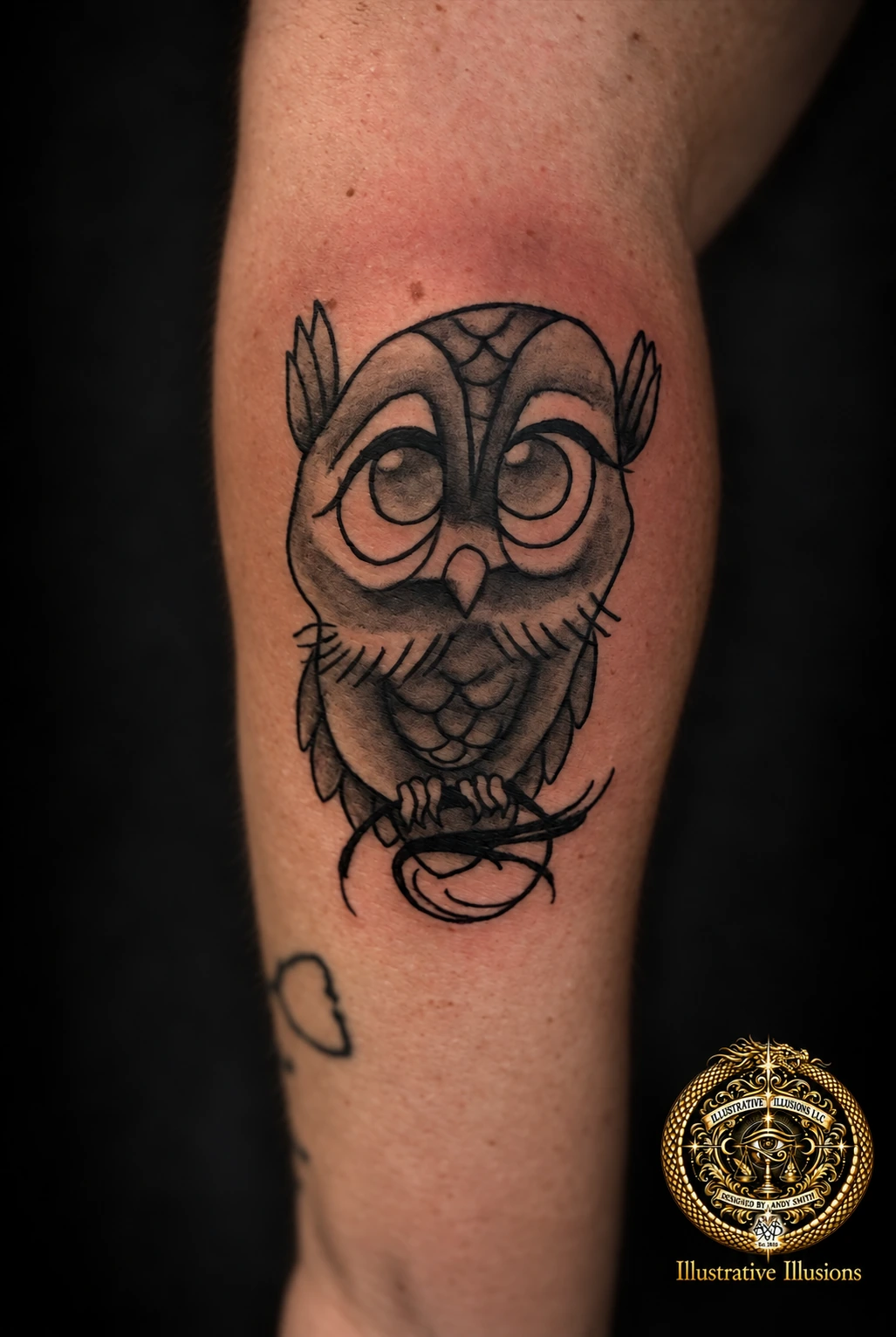
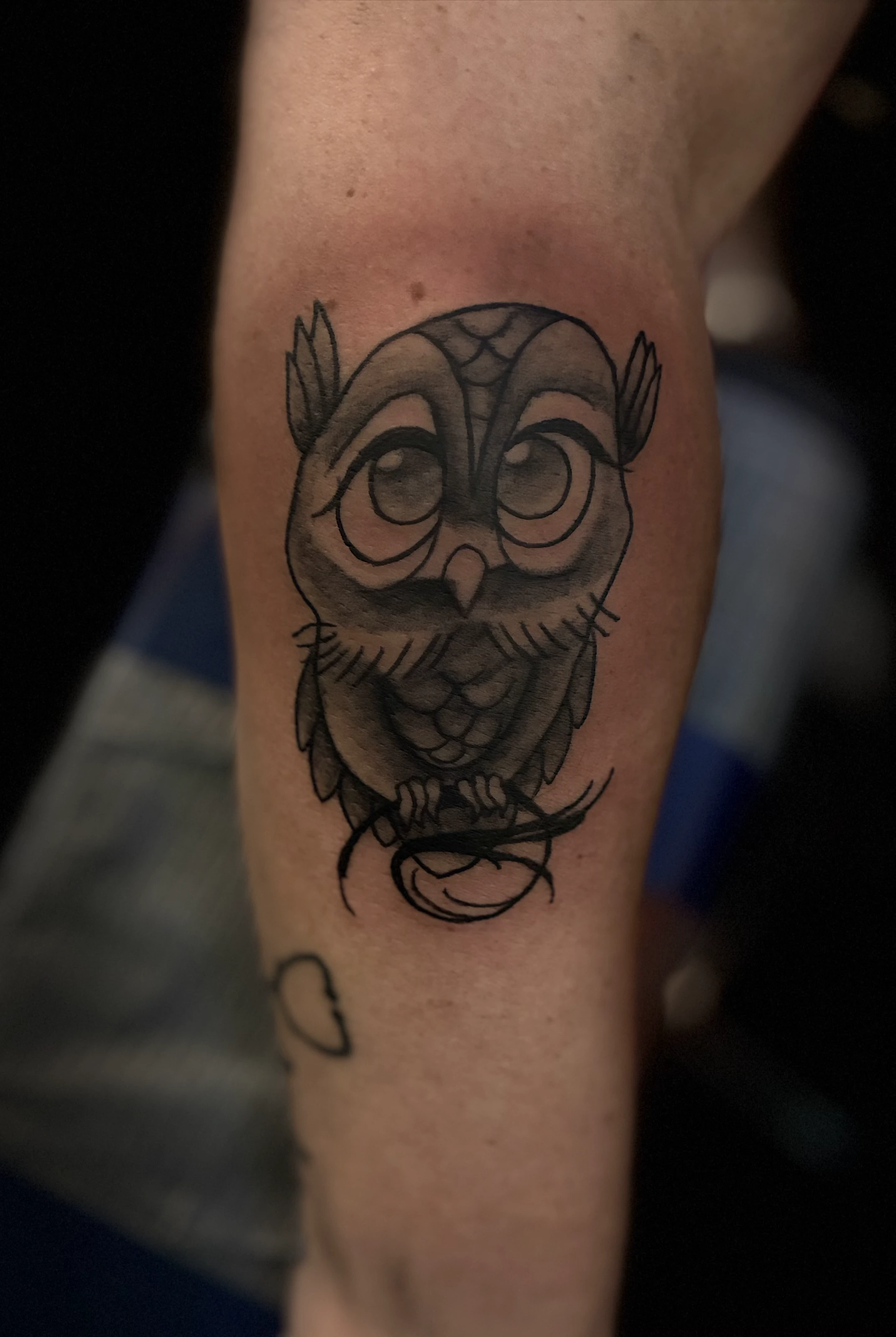
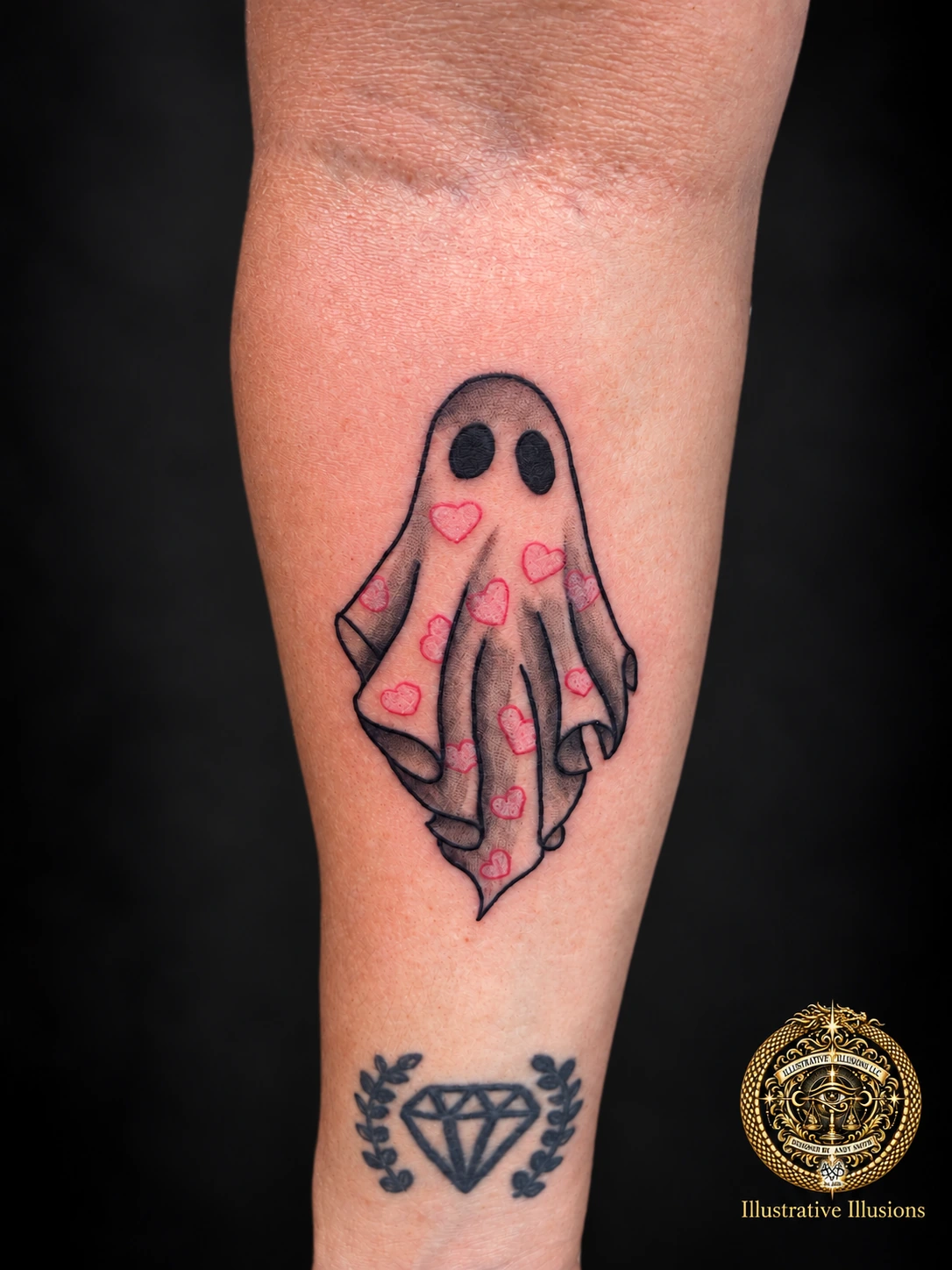
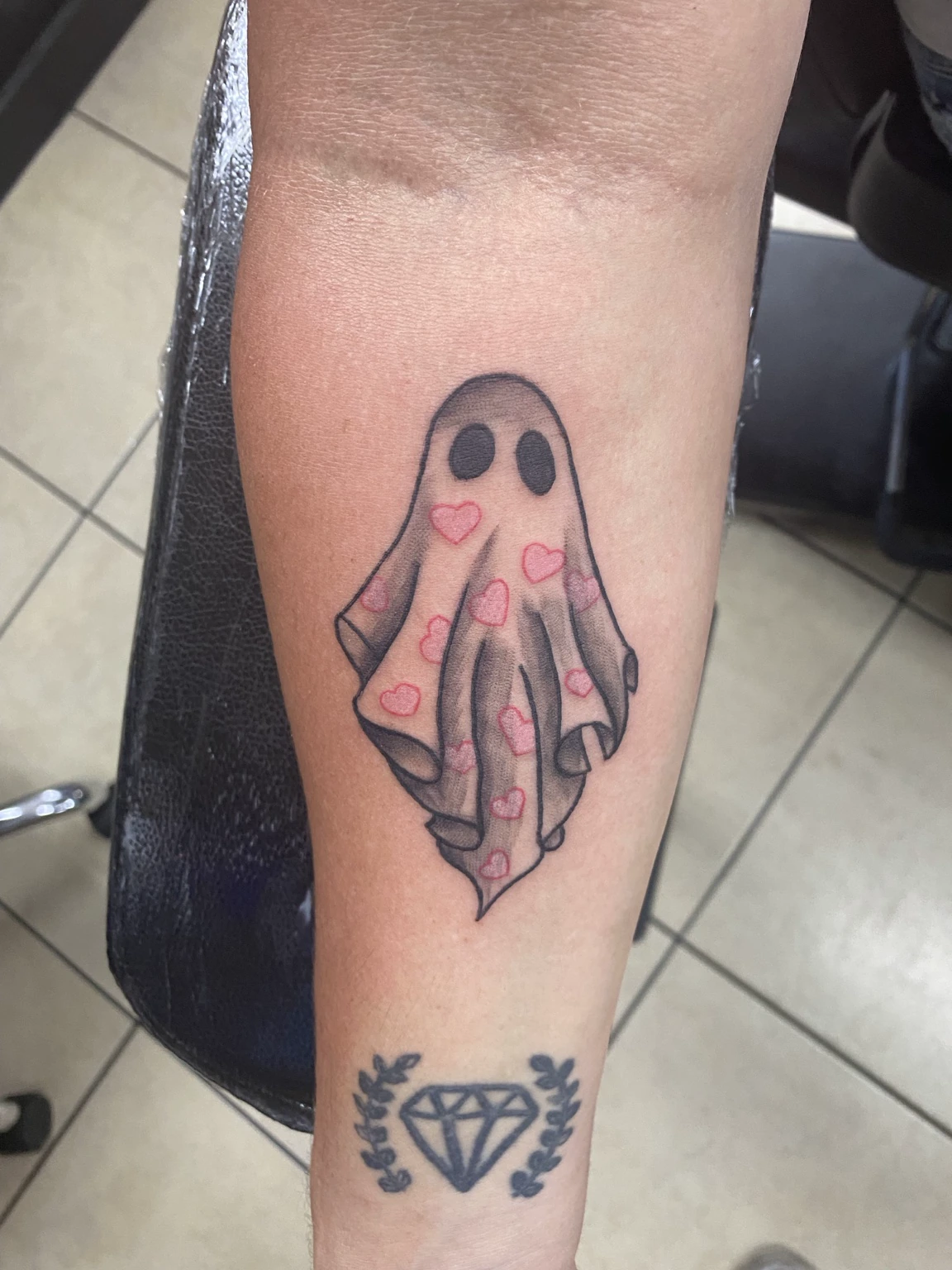
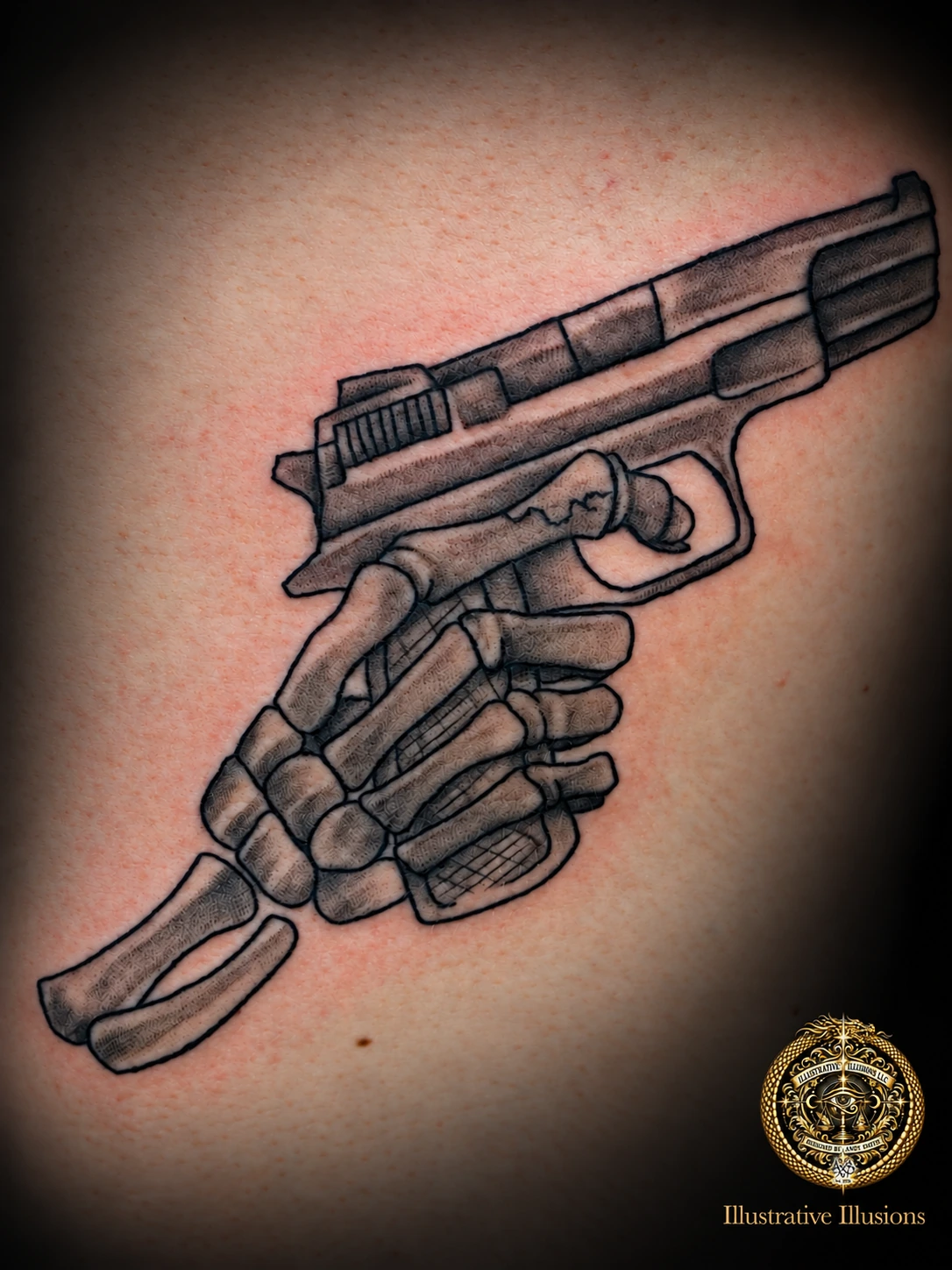
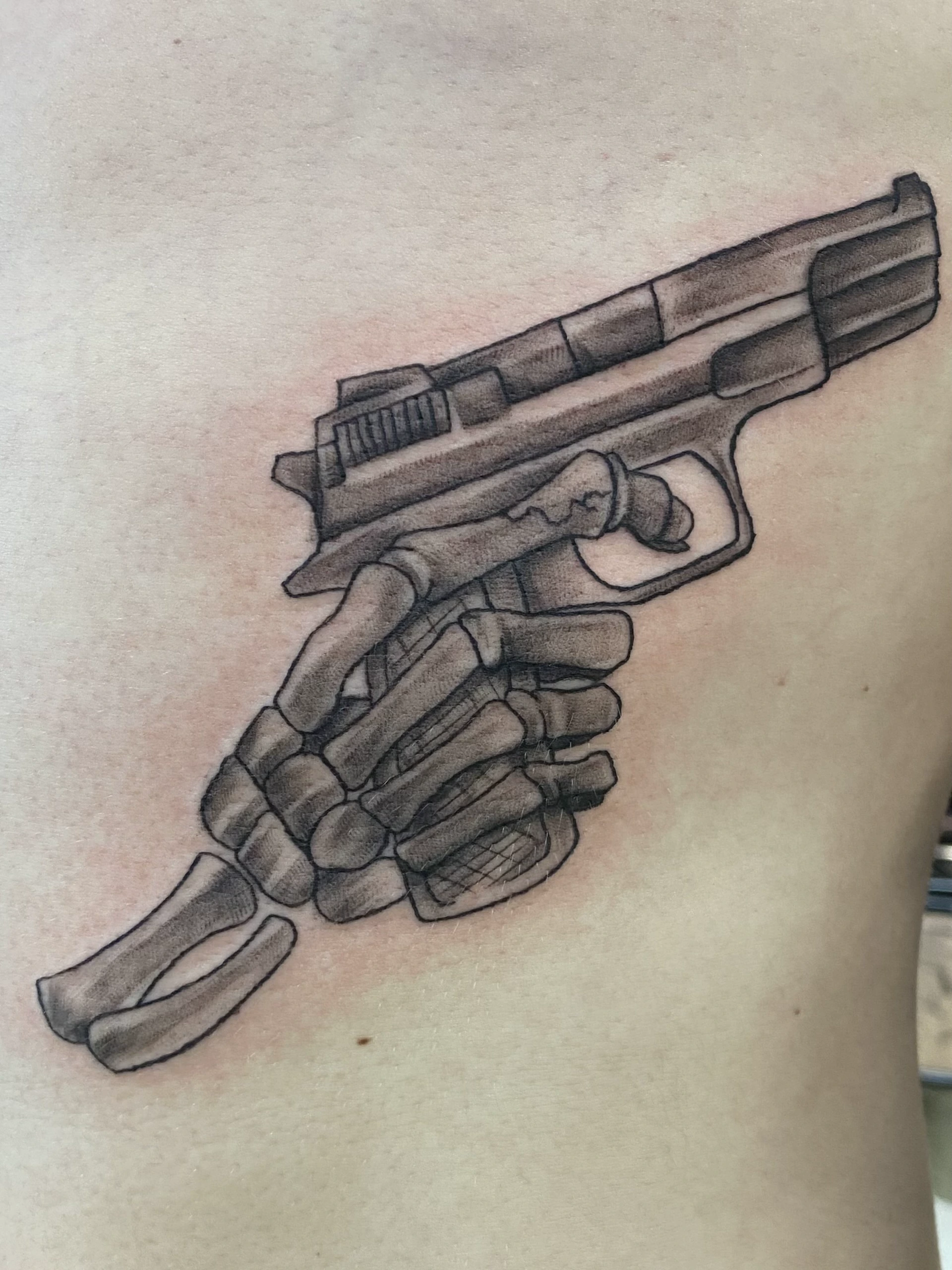
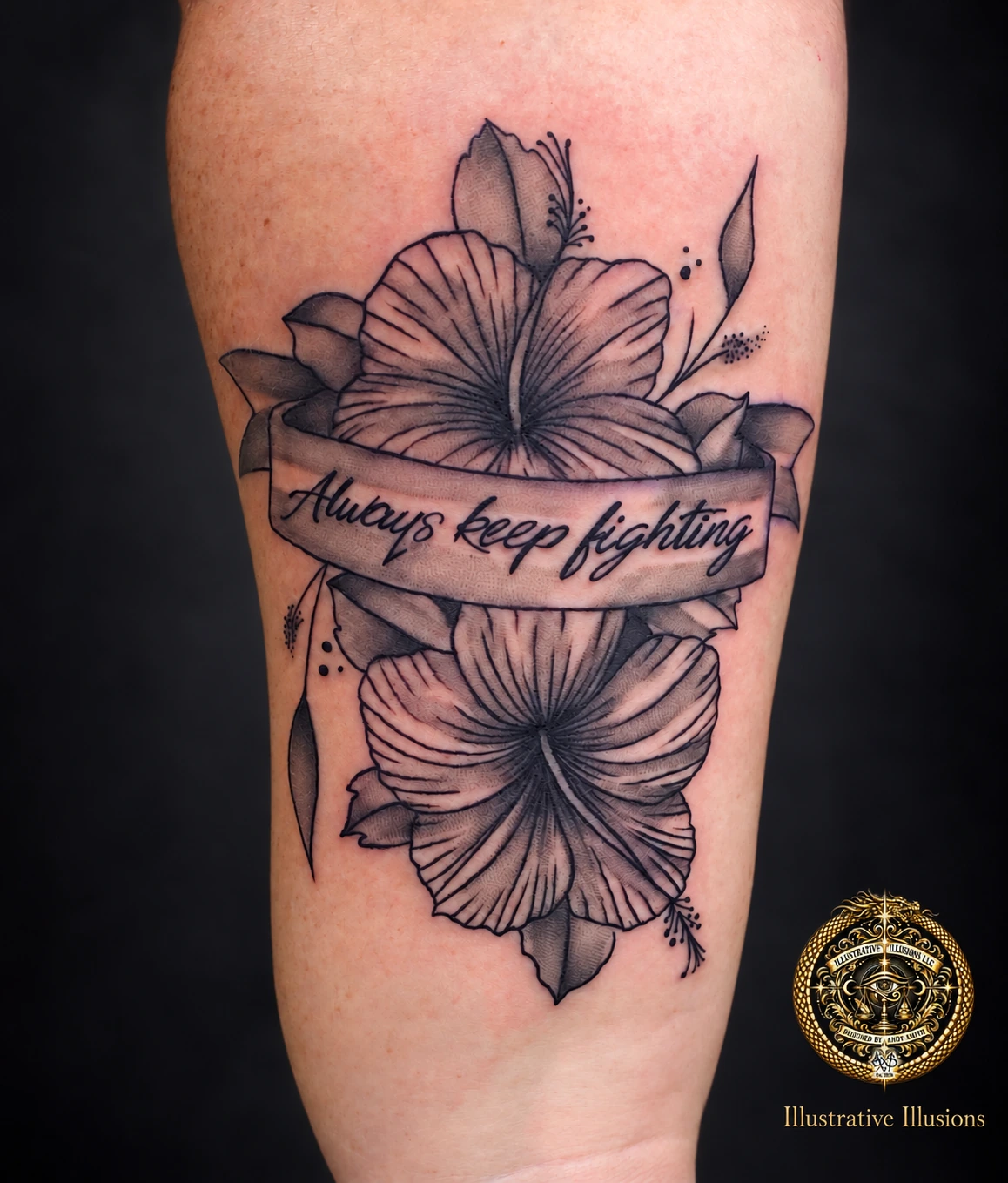
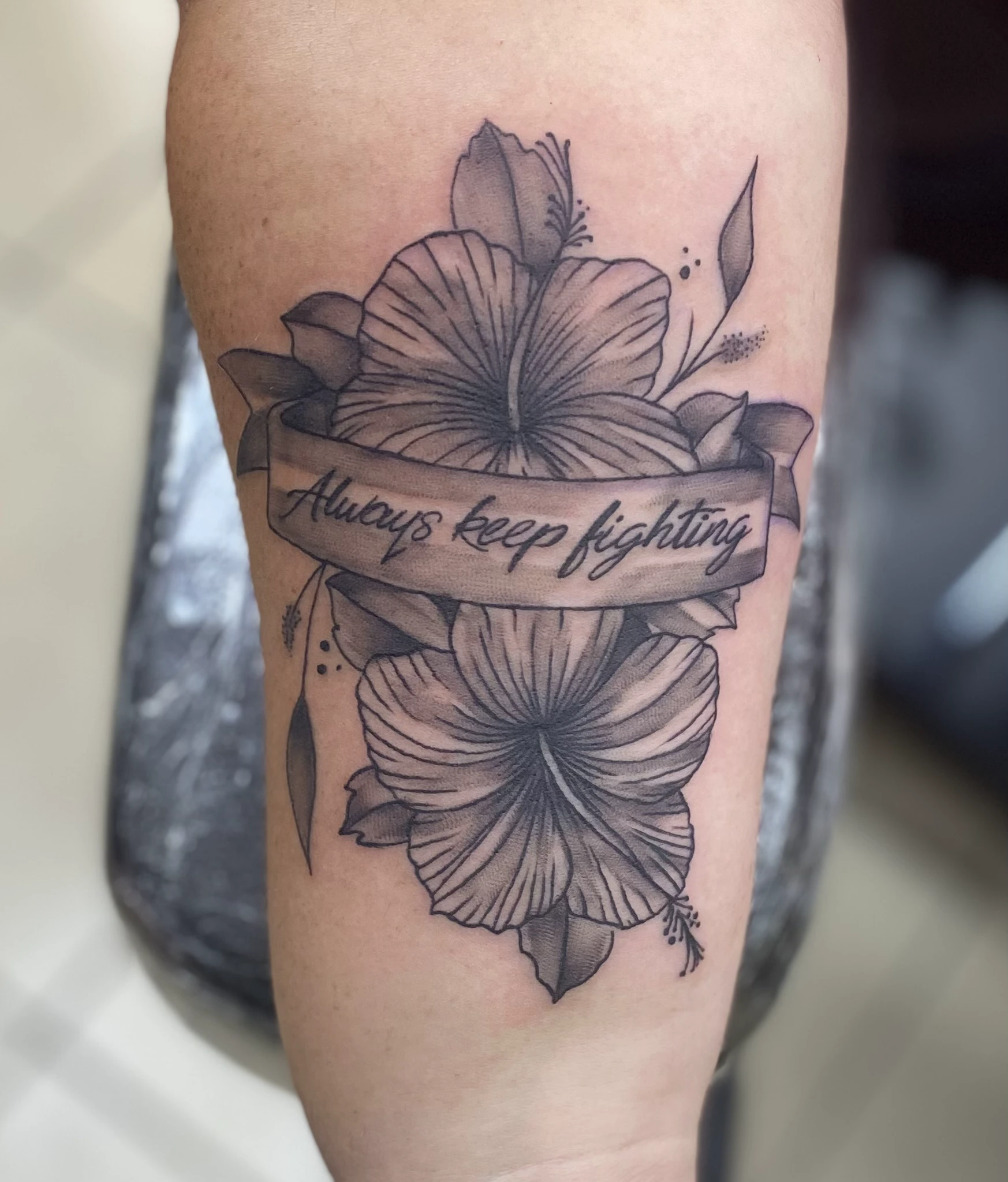
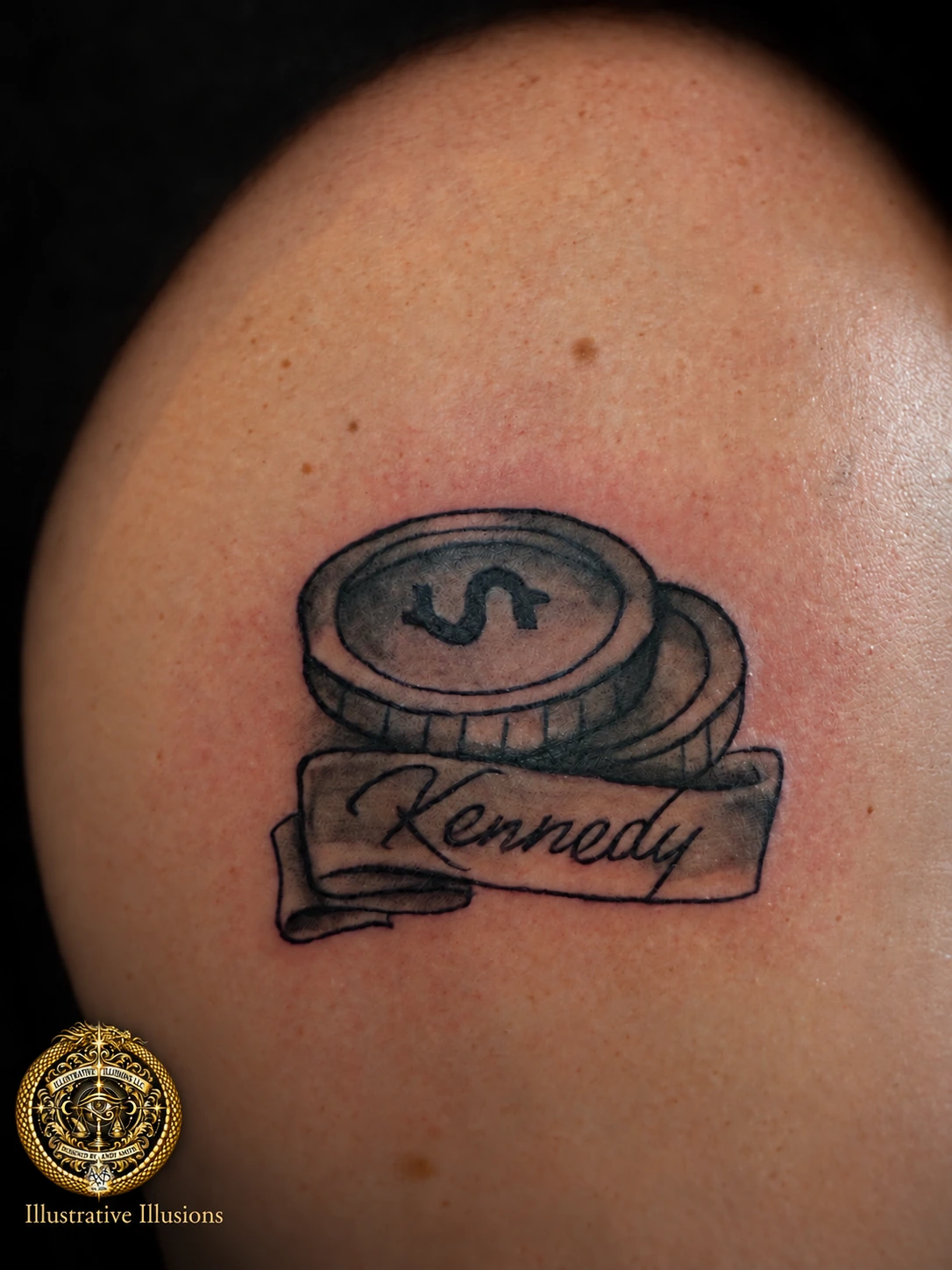
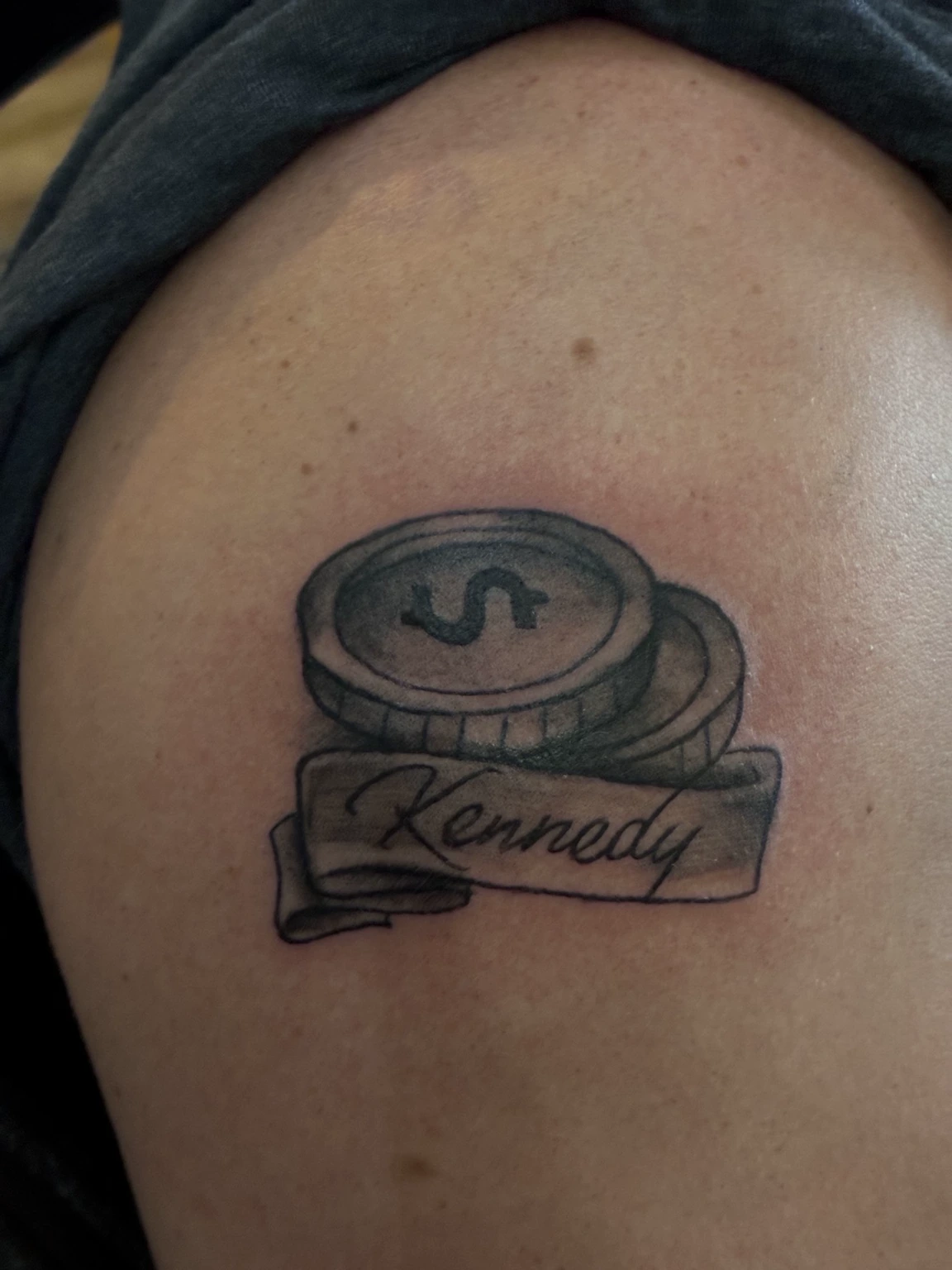
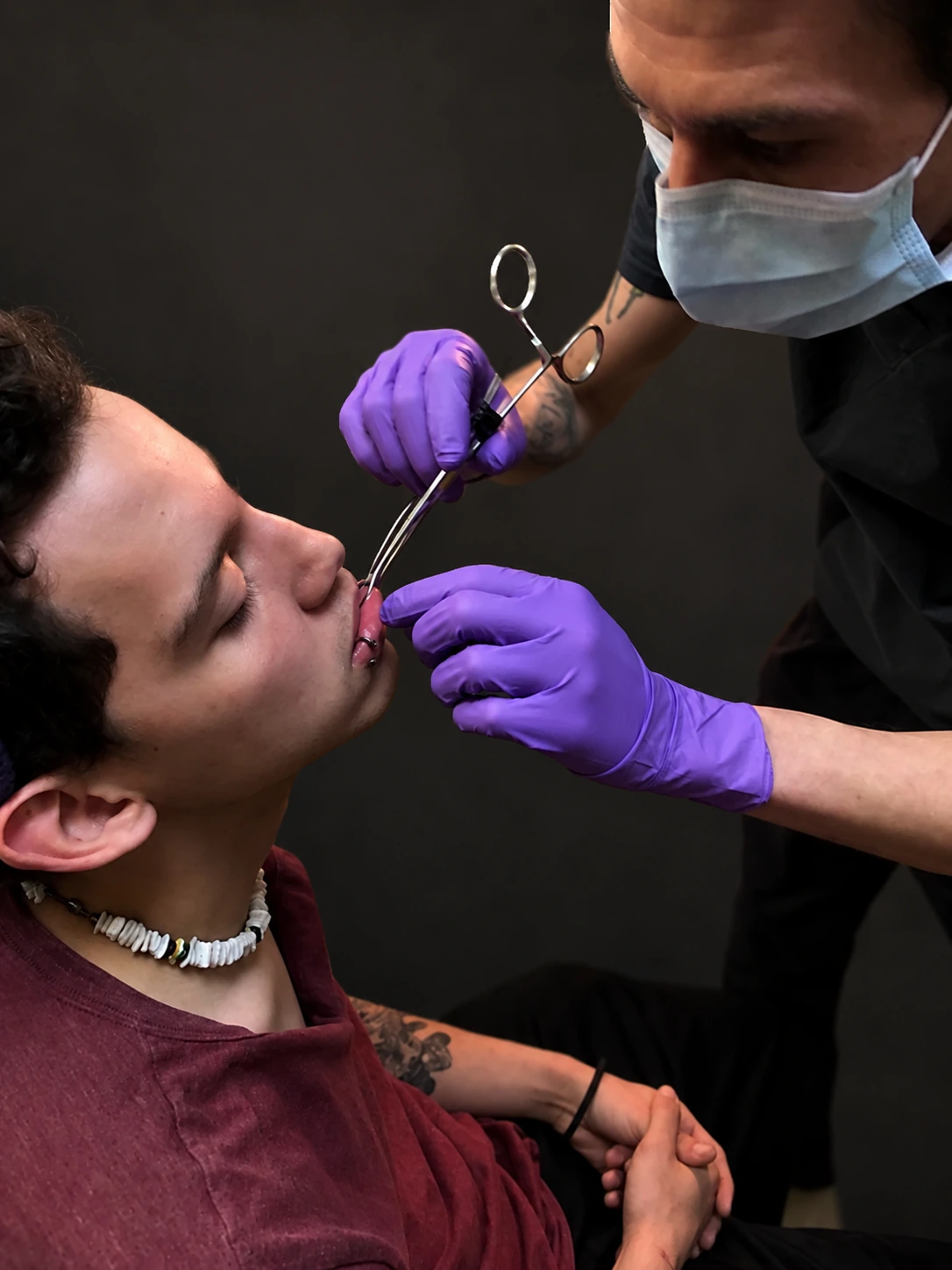
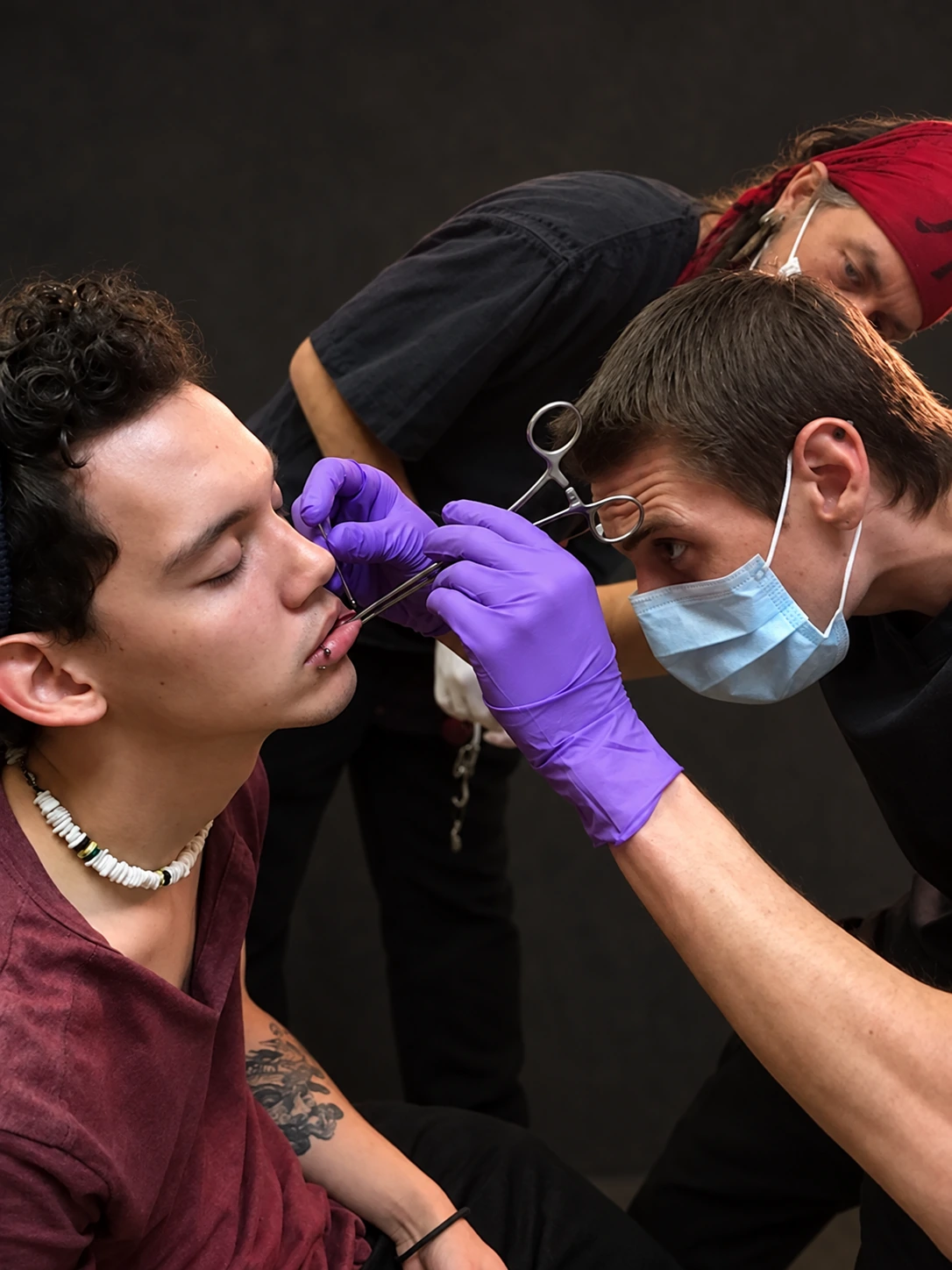
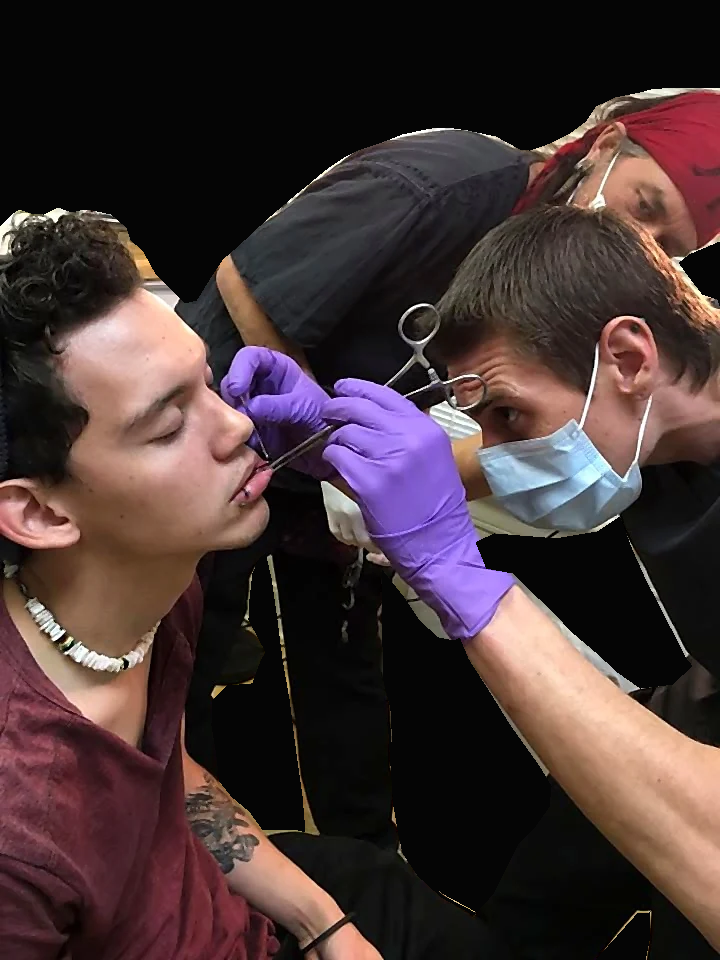
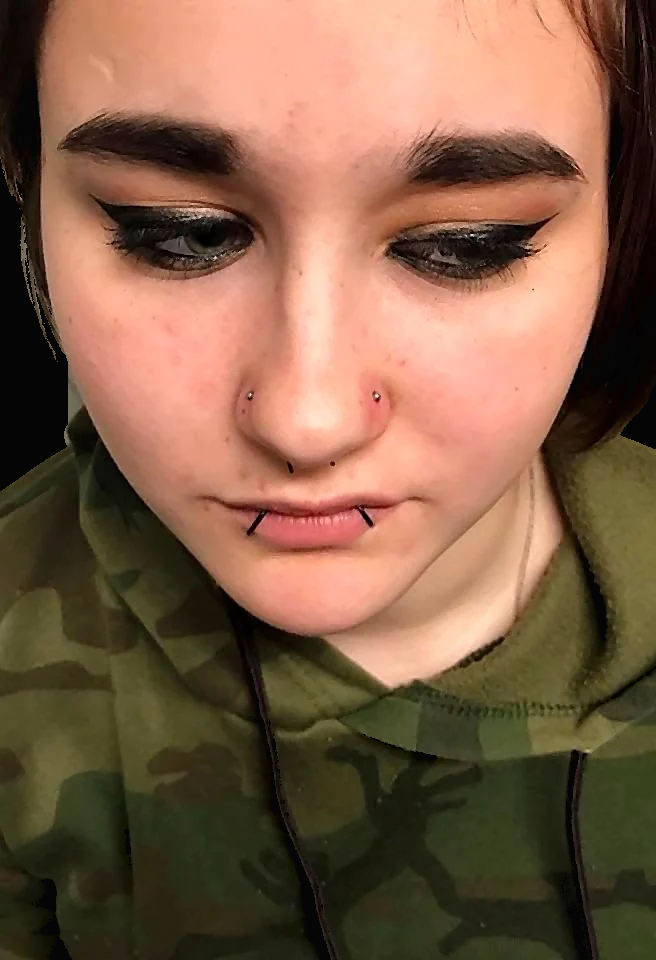
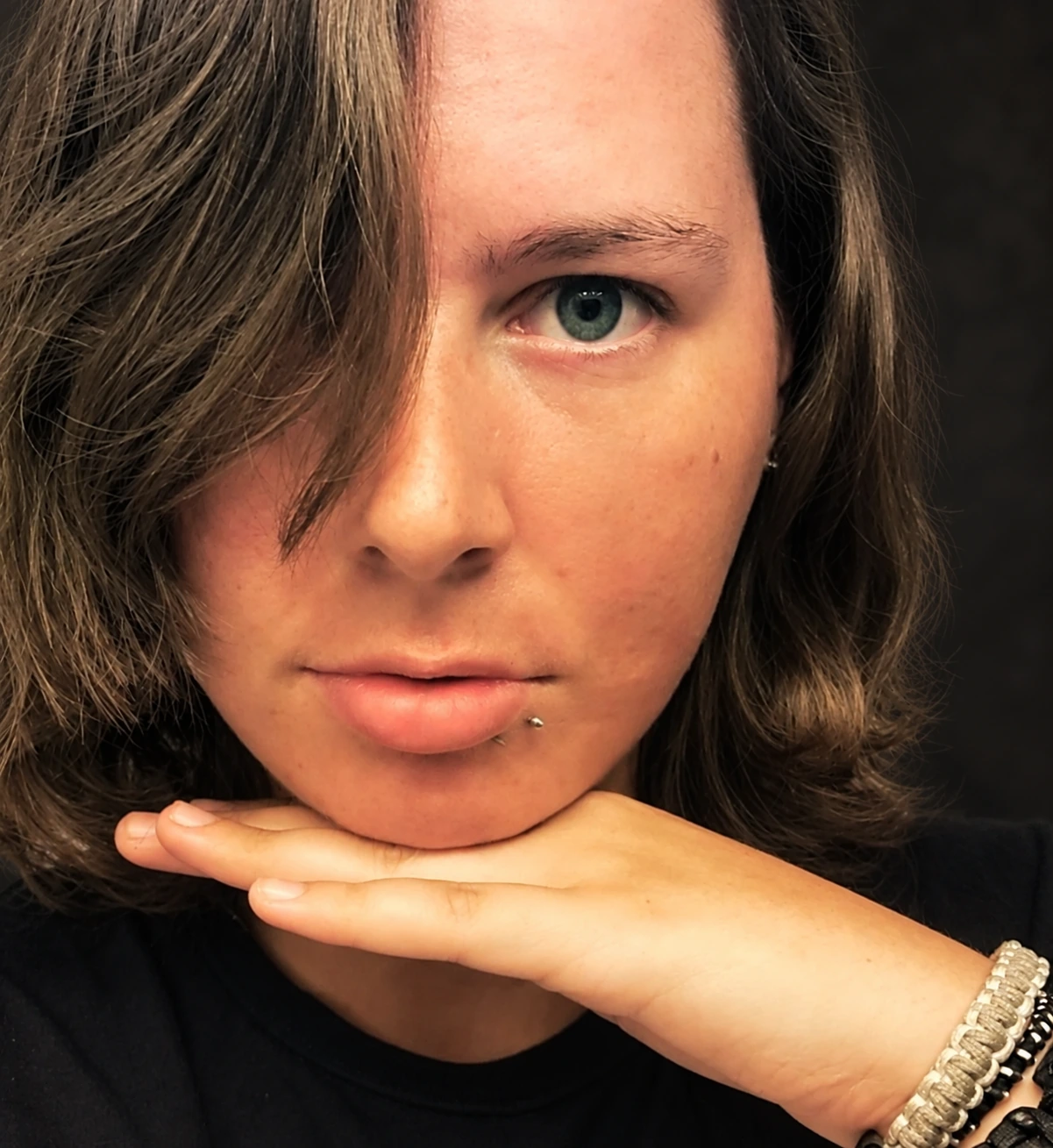
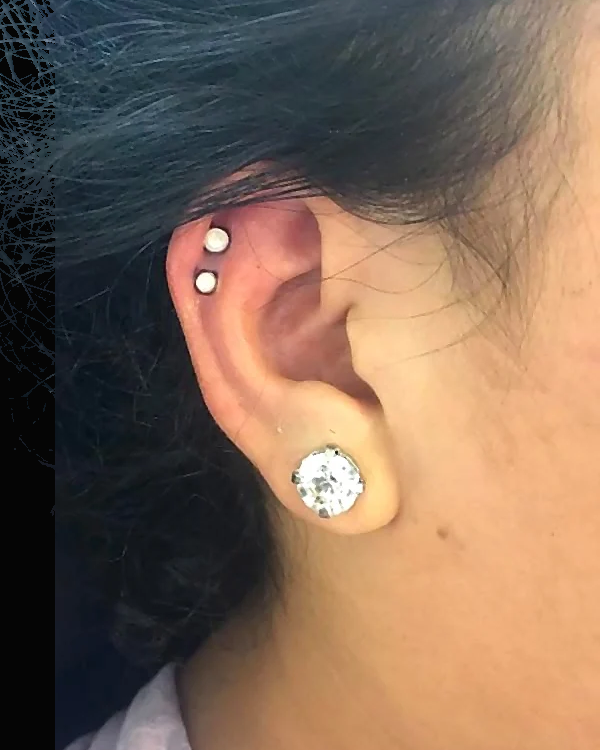
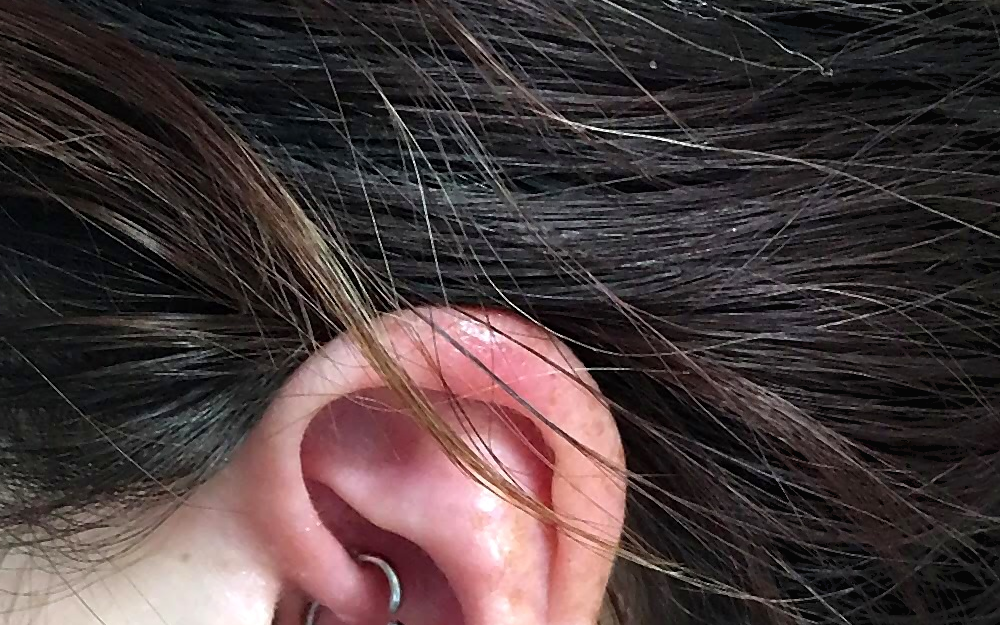
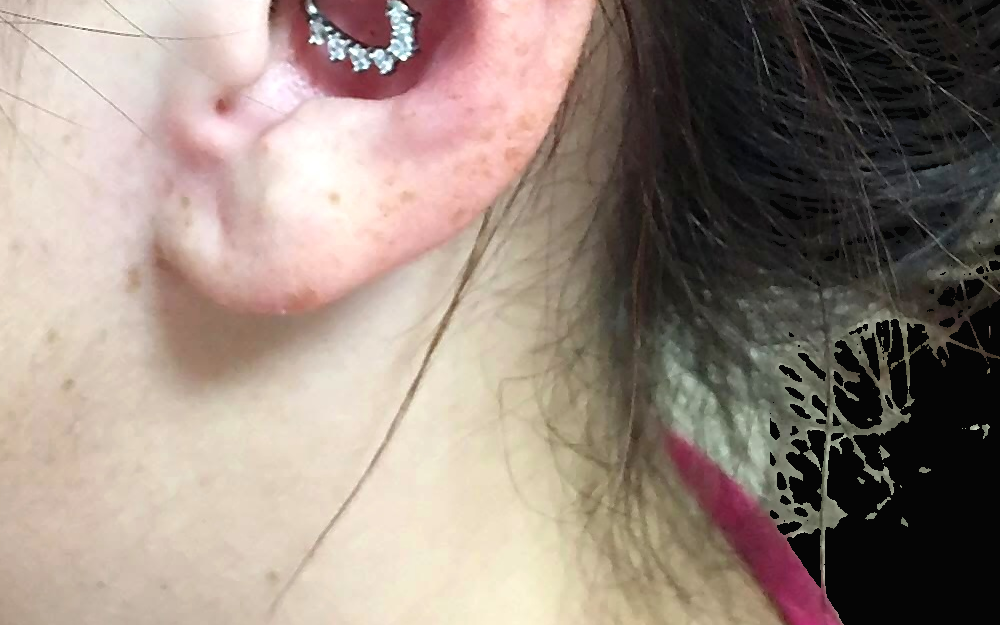
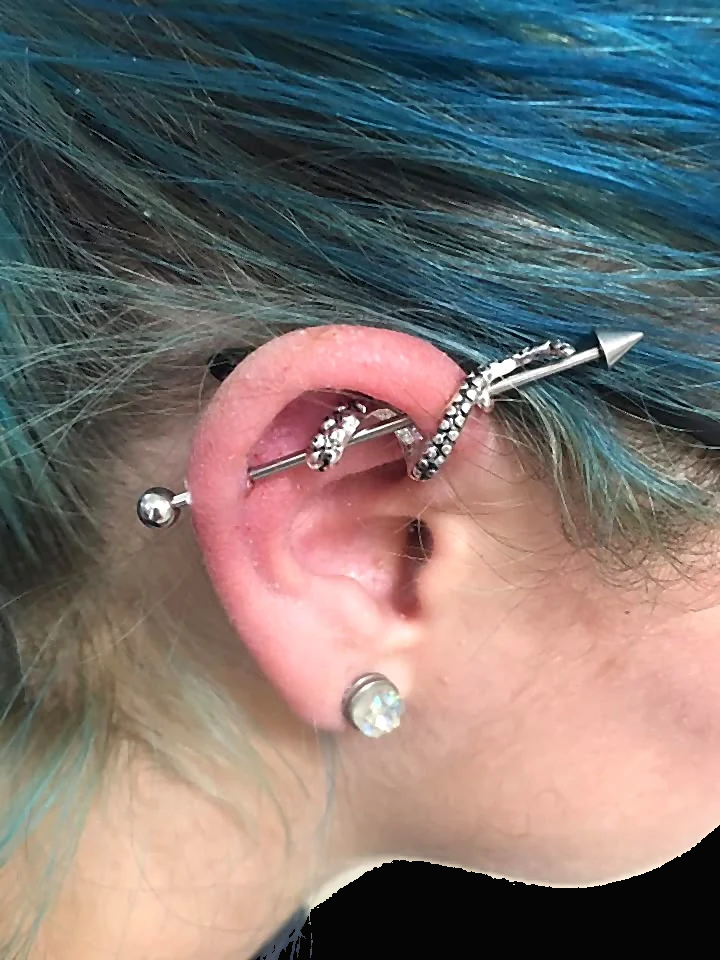
Tattooing and piercing with Andy Smith at Inflicting Beauty Tattoo in Flagler Beach.
Tattoo
Meet the artist
Andy Smith
Second generation. A lifetime around the craft.
Andy grew up in a family of tattooers and piercers, first encountering the industry around age five. His professional studio journey began in January 2005 with a three-year apprenticeship, leading into full-time tattooing in late 2008 and early 2009.
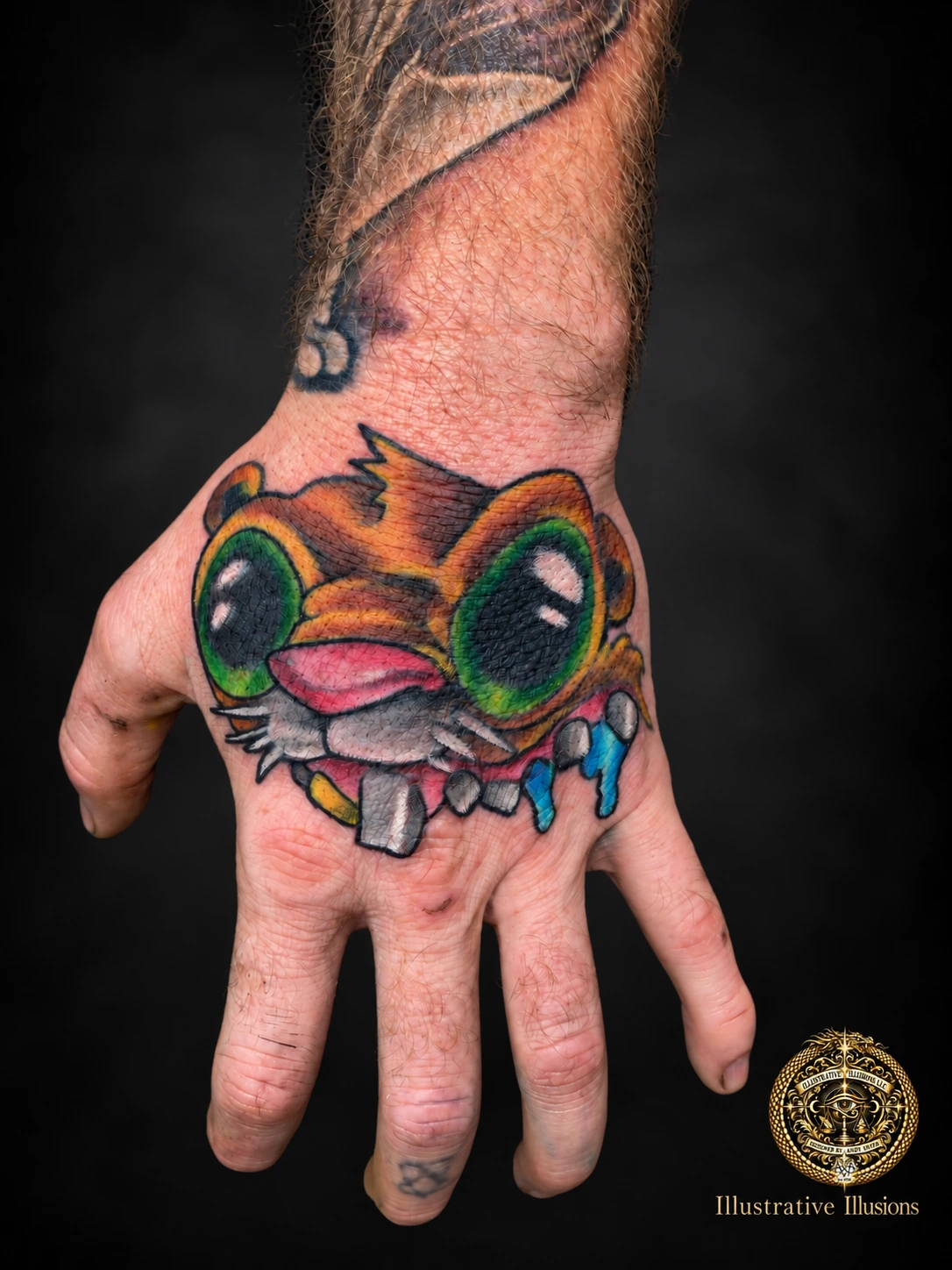
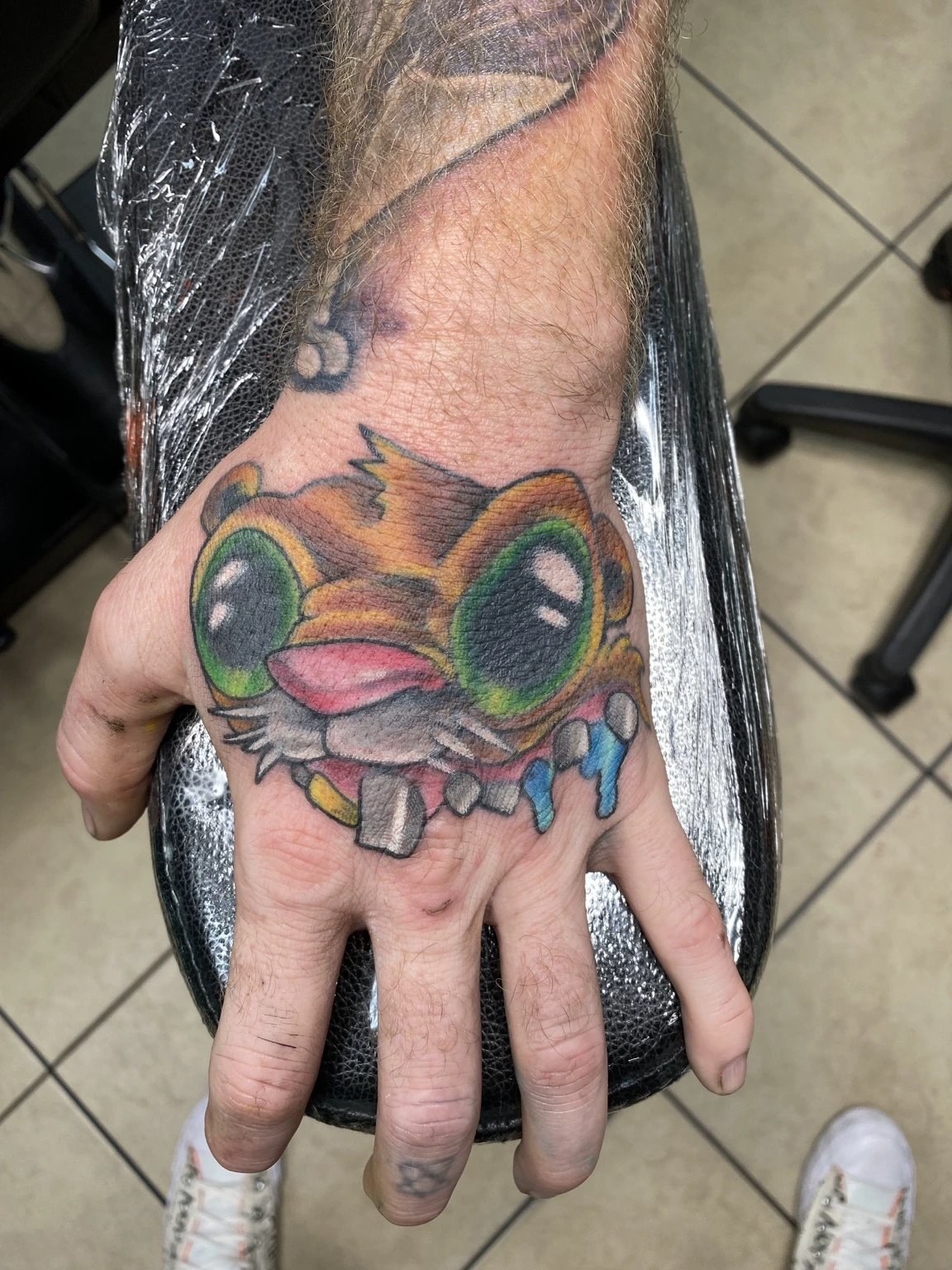
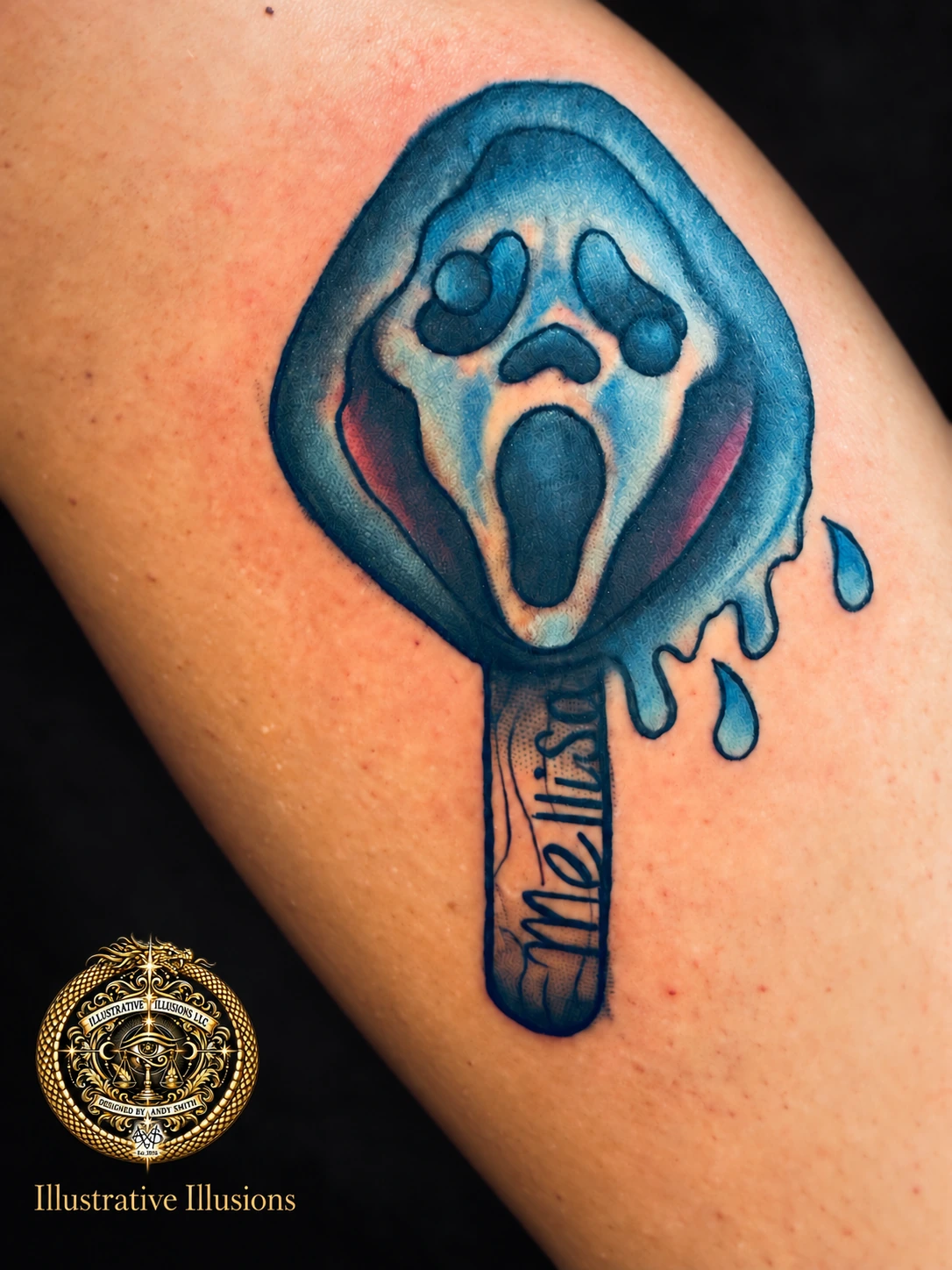
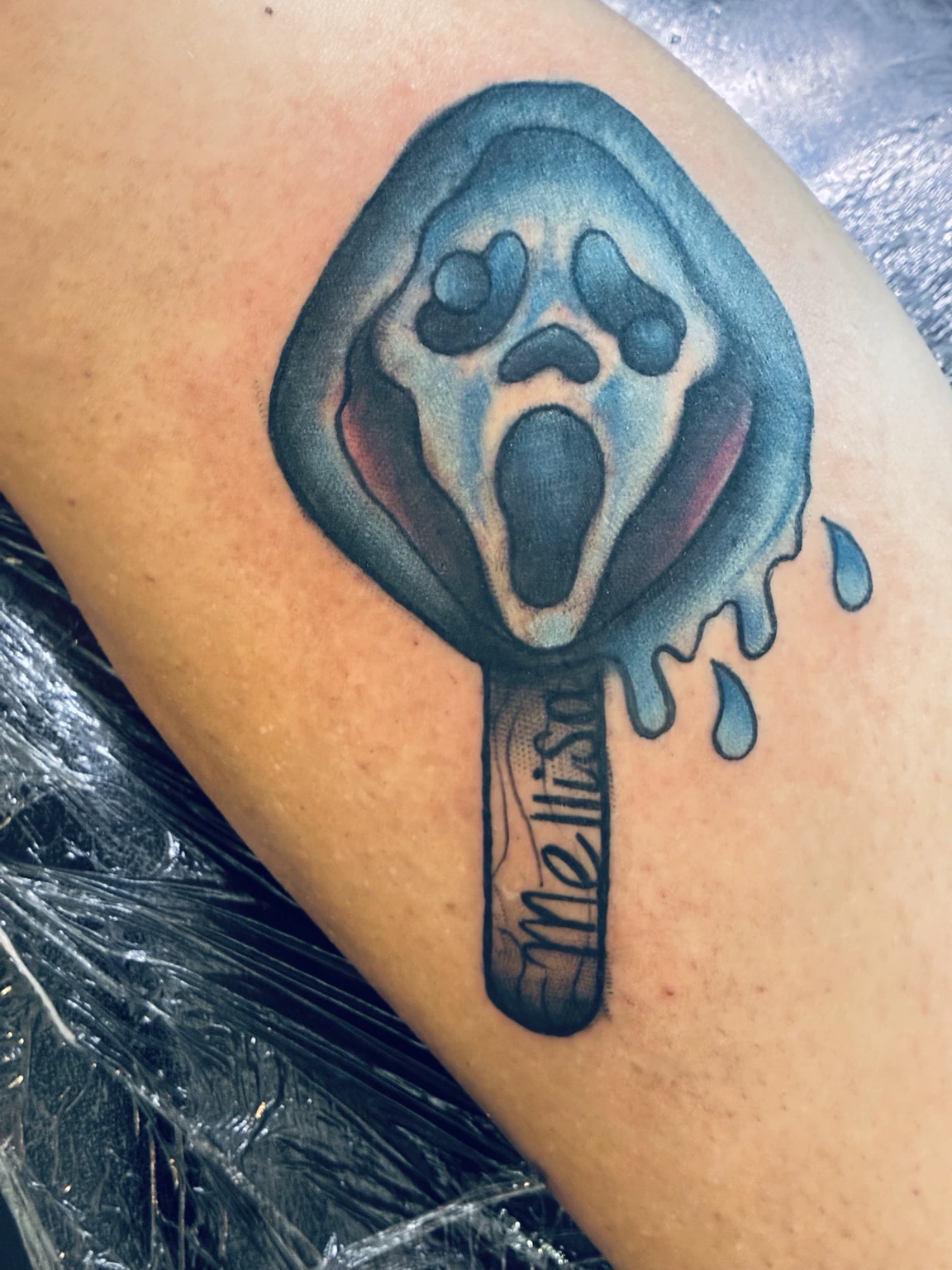
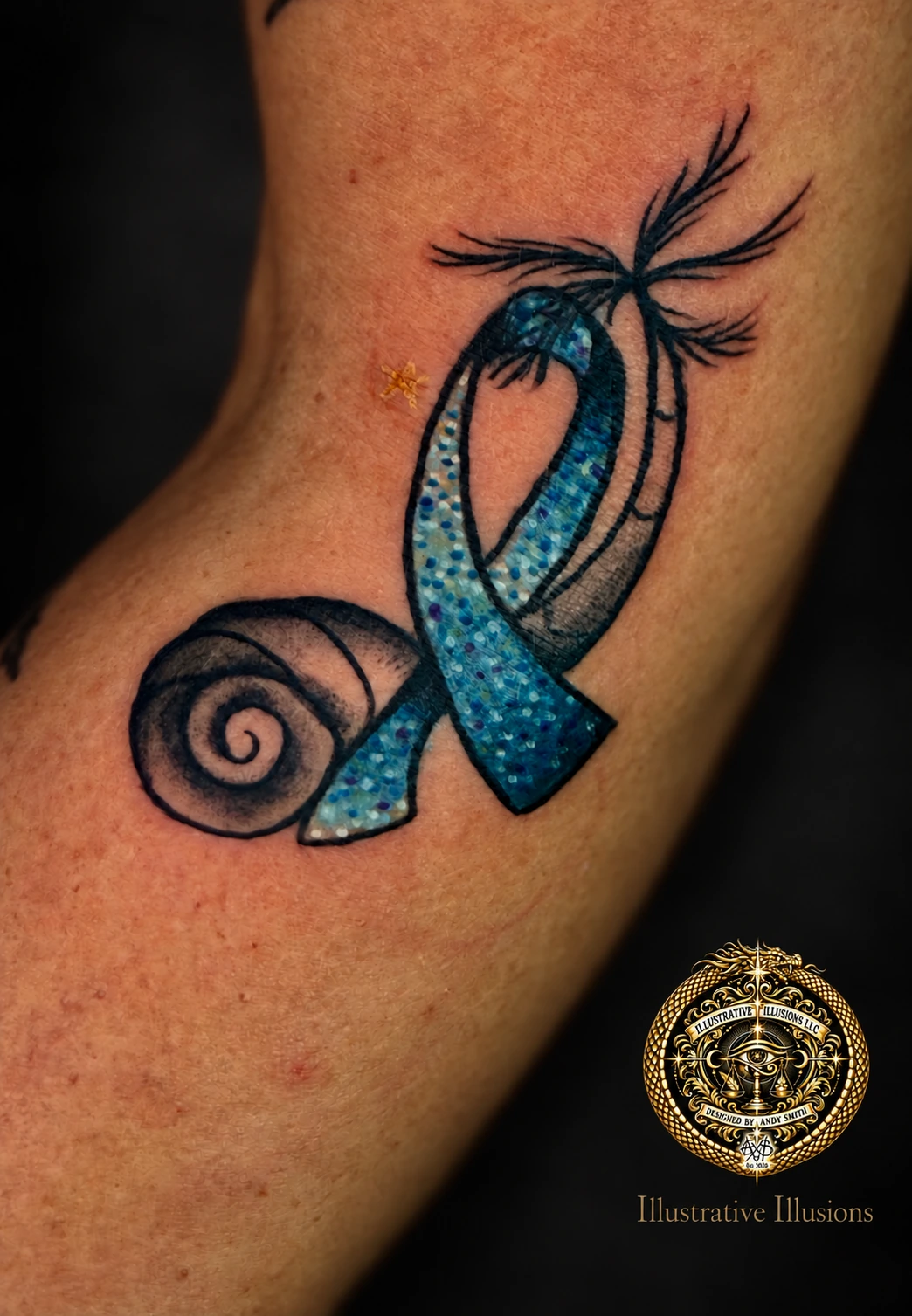
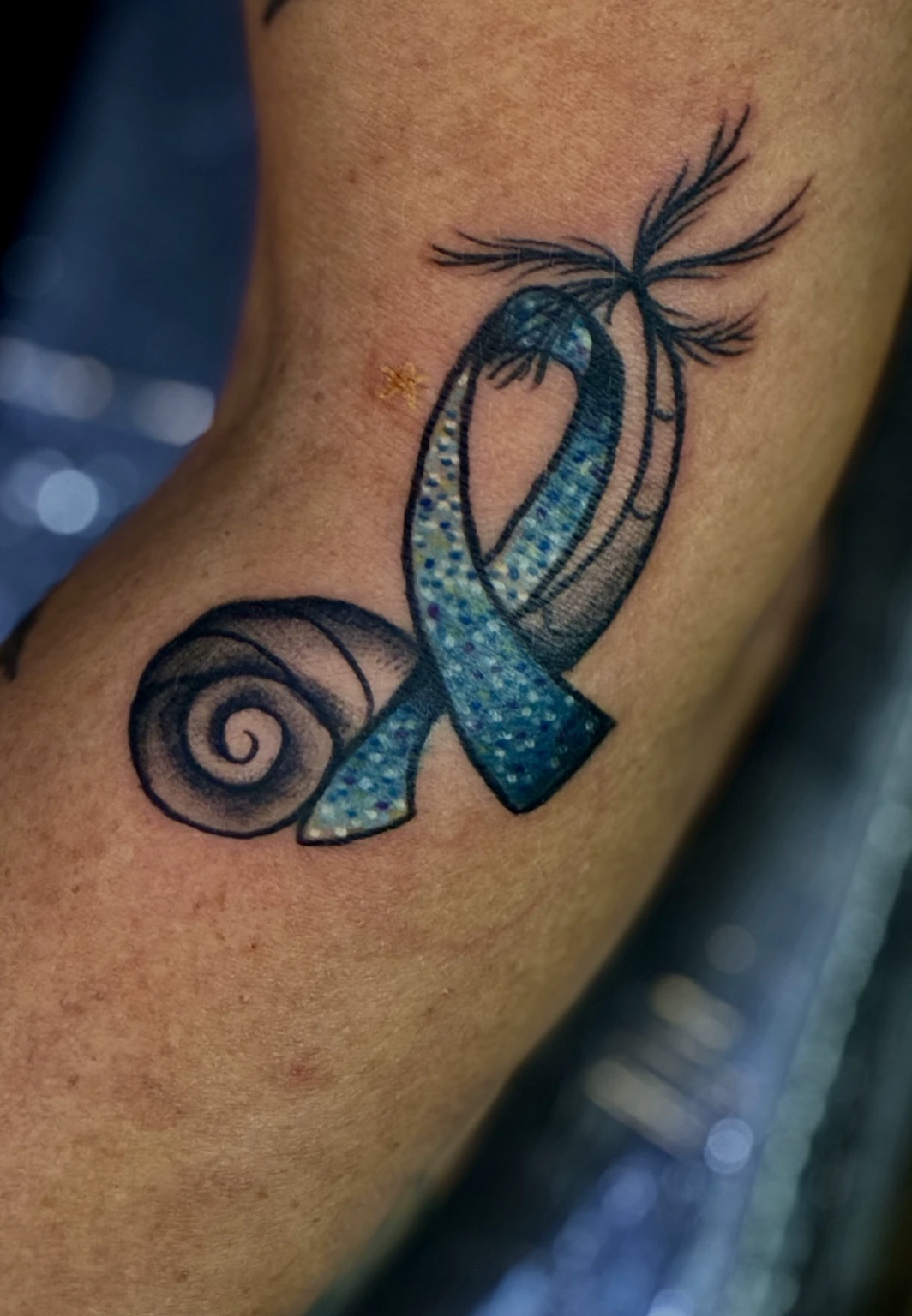
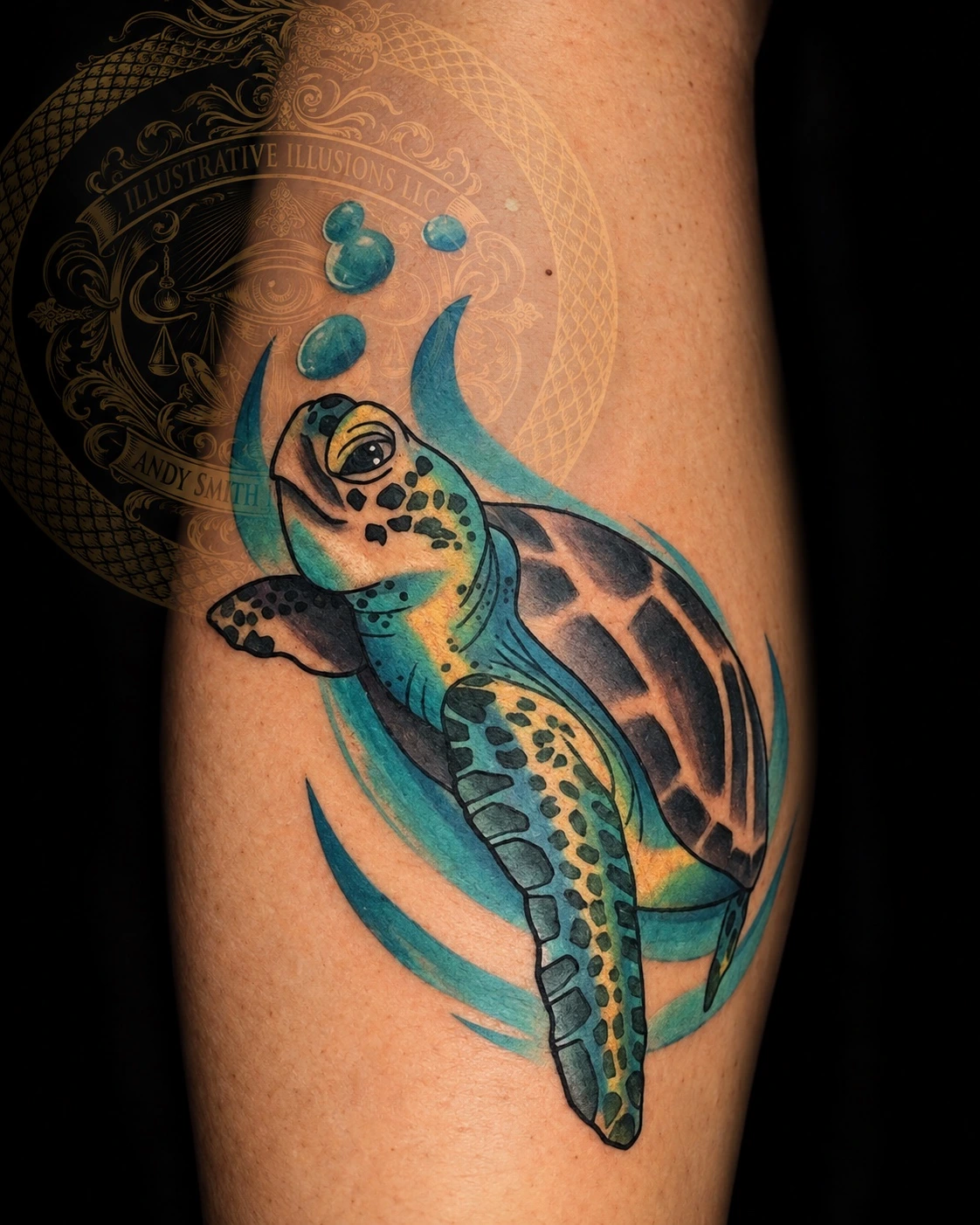
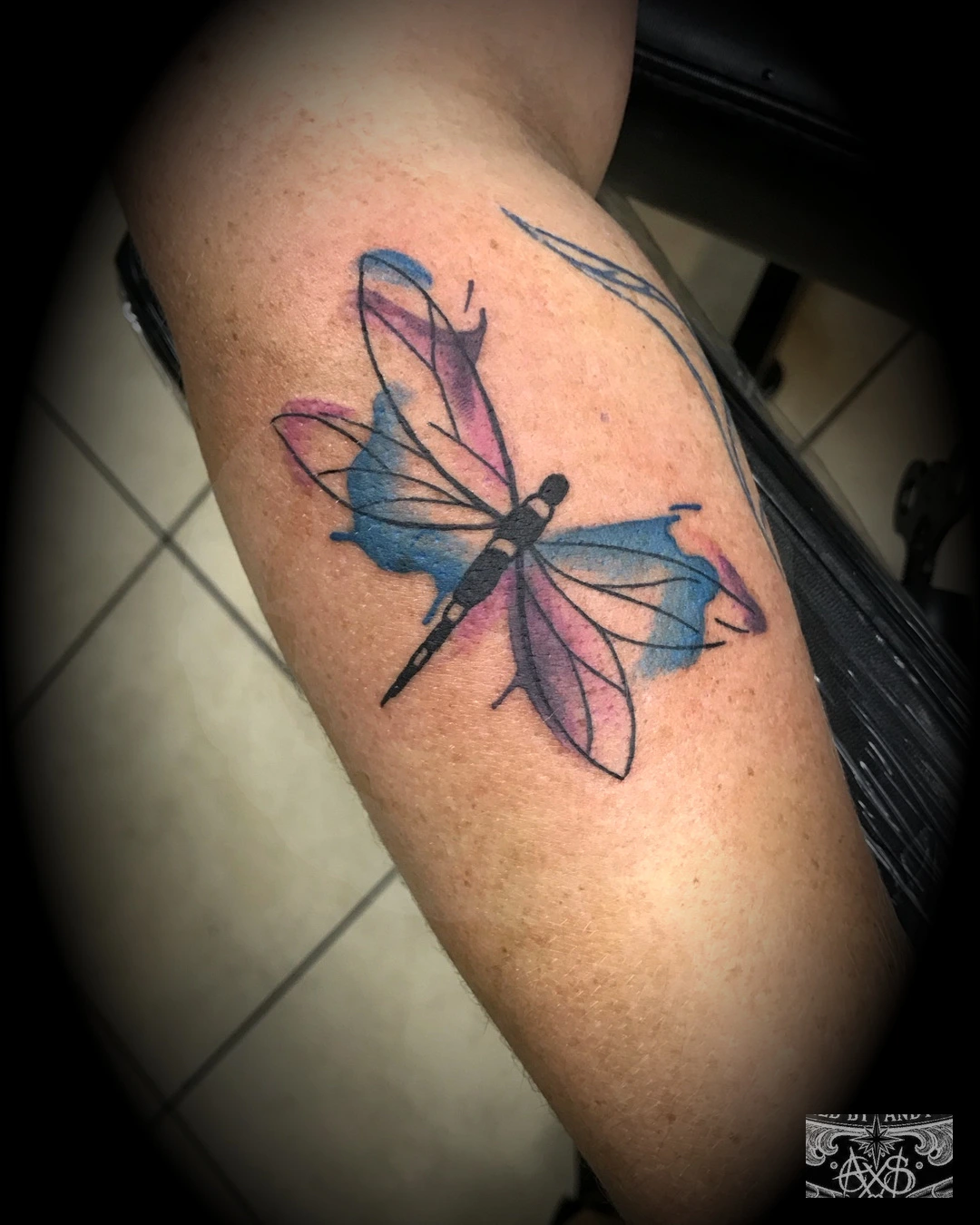
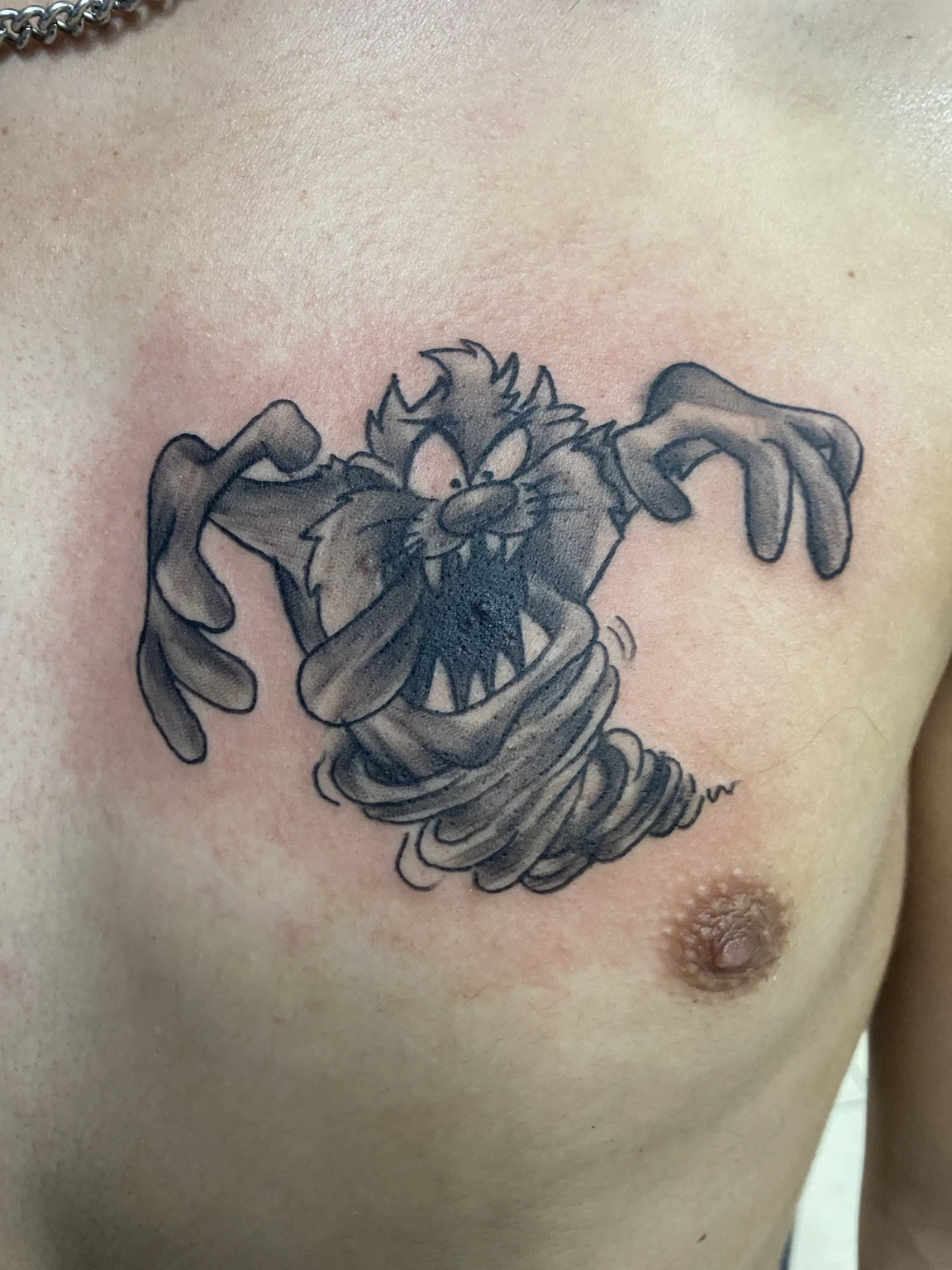
His home ground is new-school and neo-traditional work: expressive designs, a broad spectrum of color, and medium-to-large pieces with room to breathe. He also enjoys black and gray, smaller tattoos, and adapting his approach to the person and the project.
The conversation comes first. Andy works with your ideas to develop a tattoo that feels like yours, with clean structure, readable detail, and a thoughtful plan for how it will age. When a project calls for a different specialist, he is happy to recommend a fellow artist who values both good work and good service.
Training, style & choosing the right project
Andy’s apprenticeship included more than 1,500 hours of study in anatomy, microbiology and dermatology, alongside practical training in bloodborne-pathogen exposure control, biohazard handling and disposal. That foundation informs his attention to preparation, procedure and aftercare; it is not a medical qualification.
He considers selected realism projects, including animals, recognizable public figures and fictional characters, individually. Personal family portraits and portraits of children are not currently offered. When lettering or fine detail needs more space to stay readable over time, he will help explore an alternative that respects the original idea.
A piercing should complement your anatomy and feel considered from every angle. Andy plans placement, alignment, jewelry fit and everyday wear together, with attention to both appearance and the healing process.
Your consultation includes the practical details: hair, headphones, sleep habits, clothing and the things that may catch or put pressure on jewelry. If a placement is not well suited to your anatomy or lifestyle, he will explain why and help you explore options.
The aim is thoughtful placement, appropriate jewelry and clear follow-up to reduce avoidable irritation. Healing varies by person and placement; no procedure comes with a promise of perfect alignment, the fastest healing or a complication-free result.
Follow the written instructions for your specific tattoo, dressing or piercing. For routine healing questions, contact the artist who performed the service promptly. If they are unavailable or you no longer feel confident in their advice, ask another experienced, trusted professional studio.
Quality you deserve. Care you can count on.
“My customers deserve the best. I prioritize high-quality equipment, carefully selected materials and thoughtful service, and I choose to work alongside artists and studios who share that commitment.” — Andy Smith
Titanium is Andy’s preferred body-jewelry material. Ask about the specific material and manufacturer documentation for your piece, and tell us about any known metal sensitivities. Thoughtful selection helps reduce avoidable irritation, but no material or procedure can promise an allergy-free or complication-free result.
Shopping for jewelry elsewhere: what to look for
Ask a qualified piercer to assess material, polish, construction and fit before wearing an outside purchase. A familiar brand name, price or “hypoallergenic” label alone does not establish suitability.
Titanium: look for documented implant-standard material such as ASTM F136 or ISO 5832-3, or commercially pure ASTM F67 titanium. The word “titanium” alone is not a grade certificate.
Steel: look for documented ASTM F138 or ISO 5832-1 compliance. “316L” or “surgical steel” alone does not prove implant quality; steel can contain nickel and may not suit nickel-sensitive clients.
Gold: solid 14k–18k gold alloyed for body compatibility, free of nickel and cadmium, can be appropriate. Avoid plated, filled or vermeil pieces in a healing piercing. Higher purity is not automatically better for body jewelry: gold above 18k is softer.
Silver: sterling silver is not suitable for new or unhealed piercings. A 925 stamp describes 92.5% silver content, not country of origin, implant quality or allergy protection. “Italy 925” is not a guarantee of suitability. Ask your piercer before using silver in a fully healed placement.
Fit and finish: choose a smooth, well-polished piece with suitable dimensions and internally threaded or threadless construction. Have a piercer confirm when a change is appropriate.
Everyday piercing care
For external body piercings, clean hands and gentle care matter. Use packaged sterile saline wound wash with 0.9% sodium chloride and water only; avoid homemade salt mixtures, alcohol, peroxide and harsh cleansers. Do not twist jewelry or over-clean. Oral and other specialized placements need their own instructions.
Have a qualified piercer check jewelry fit and perform any needed downsize. If infection is suspected, do not remove jewelry on your own; seek medical advice about whether it should stay in place.
Cartilage, hair & daily life
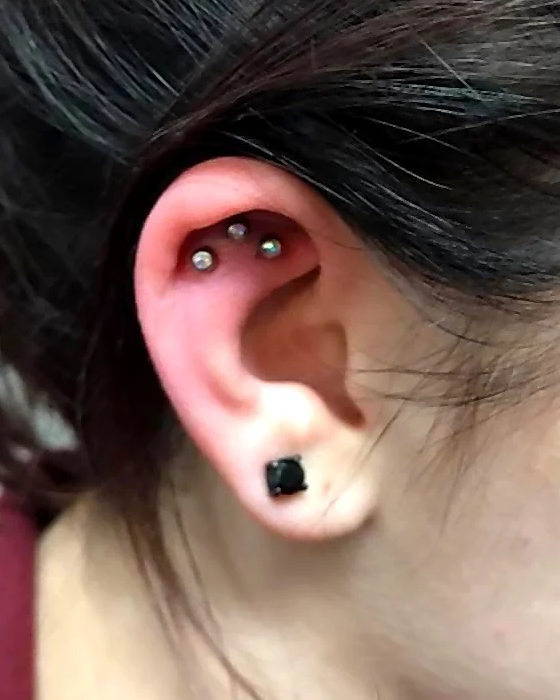
Healing helix and other ear piercings can snag on hair, glasses, headphones, towels or clothing. Keep hair clear, take care when styling it, and avoid sleeping directly on the healing area. Do not pull at trapped hair or force jewelry to move; ask your piercer for help if it is repeatedly catching.
Choosing a professional you trust
Ask about current licensing and bloodborne-pathogen training, sterile equipment and sharps disposal, appropriate jewelry, written aftercare, and follow-up. A responsible artist welcomes questions, explains their limits and refers you for medical care when needed.
An experienced artist can help with procedure-specific questions and jewelry concerns; a clinician evaluates medical conditions. If a clinician is unfamiliar with your piercing, your piercer may help explain its jewelry and placement or suggest a piercing-experienced clinician. Do not delay necessary treatment or disregard medical advice while seeking another opinion.
Working together after a medical visit
If you are comfortable sharing, ask your clinician for written instructions and bring the relevant diagnosis, prescribed treatment and activity restrictions to Andy or your preferred advising studio. You need not share unrelated medical records. This helps us discuss jewelry, routine care and future work with the right information in front of us.
Your clinician directs medical treatment. Check any proposed aftercare product or jewelry change with them if it could affect prescribed treatment; studio advice should complement, not replace or contradict, that plan.
Andy’s studio policy: after a diagnosed staph or MRSA infection, Andy requires a minimum six-month postponement of further tattooing or piercing, including touch-ups. Contact the studio to discuss the timing and any clinician clearance needed. This is a studio booking policy, not a medical recovery timeline or proof that bacteria have cleared; readiness is assessed individually.
Persistent bumps, scarring & medical imaging
Not every piercing bump is a keloid. A piercer can check pressure, fit and irritation; a dermatologist can diagnose a suspected keloid and plan treatment. Do not wait months for a growing lump to settle or assume a home routine will dissolve a true keloid. Decisions about retaining or removing jewelry depend on the diagnosis.
Before an MRI or CT scan, tell the imaging team about every piercing and follow their instructions. Even titanium jewelry is not automatically cleared for a scan: its construction, location and possible image interference matter. Ask your piercer for removal or suitable retainer help in advance if the imaging team requests it; do not delay needed imaging.
General educational guidance, not individualized medical advice. It does not replace assessment by a licensed healthcare professional.
Messages are not continuously monitored. Do not use studio messages for an emergency.
When to seek medical care
If infection is suspected, get medical care promptly. Do not wait 24–48 hours for an artist to reply. Worsening or spreading redness or darkening, increasing heat or pain, pus, fever, chills, or feeling unwell need medical assessment. A rash or persistent reaction also deserves advice from a licensed healthcare professional.
Call 911 for trouble breathing, throat or tongue swelling, fainting, or other signs of a severe allergic reaction. If jewelry seems to be embedding or swelling is threatening the airway, seek urgent medical help.
An artist’s aftercare advice is not a diagnosis. Andy’s experience helps him recognize concerning changes and recommend assessment. Confirming staph or MRSA requires medical evaluation and appropriate testing; an artist cannot confirm or exclude MRSA by looking, prescribe antibiotics, or replace a clinician’s diagnosis. Your health comes before preserving the tattoo or piercing.



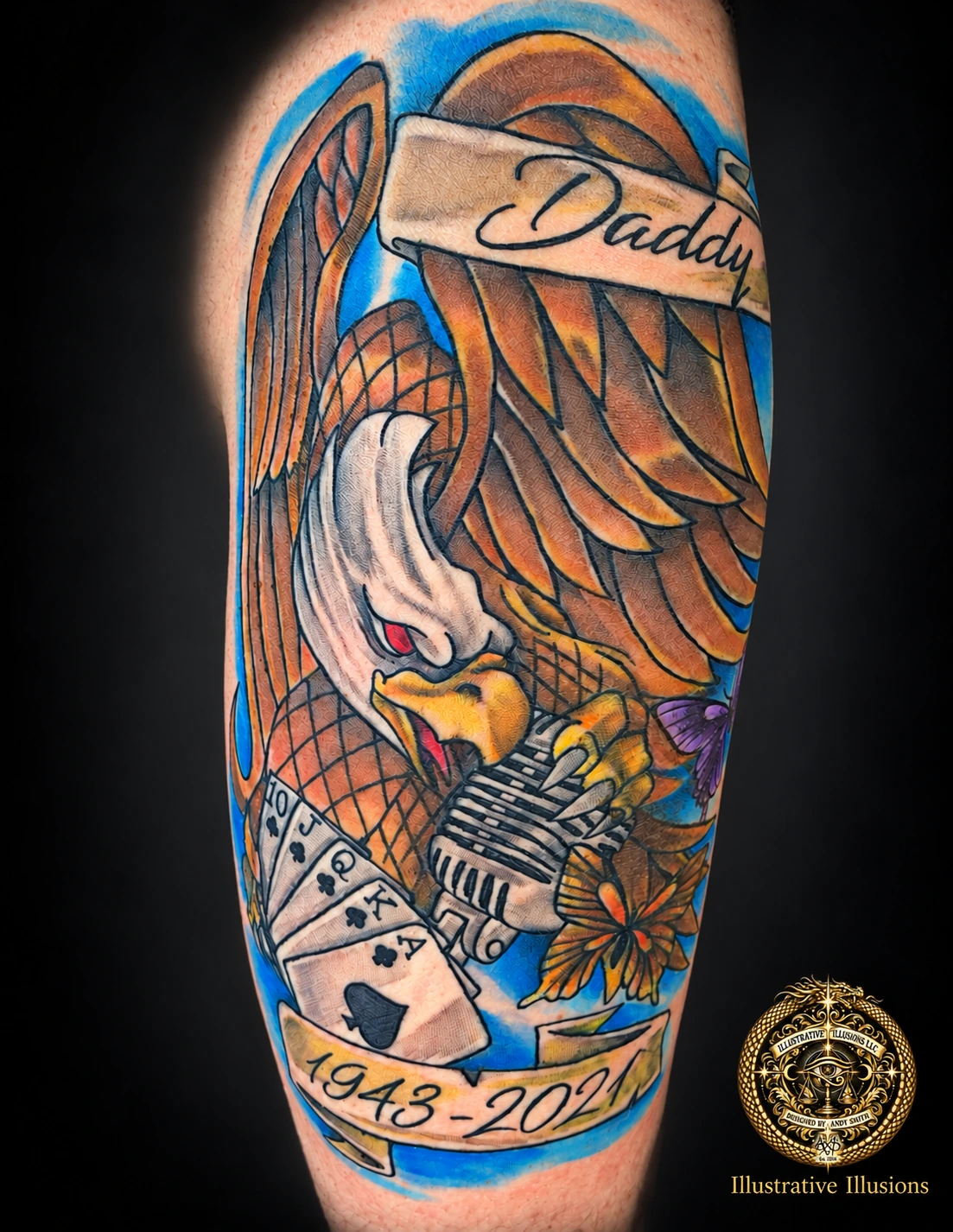
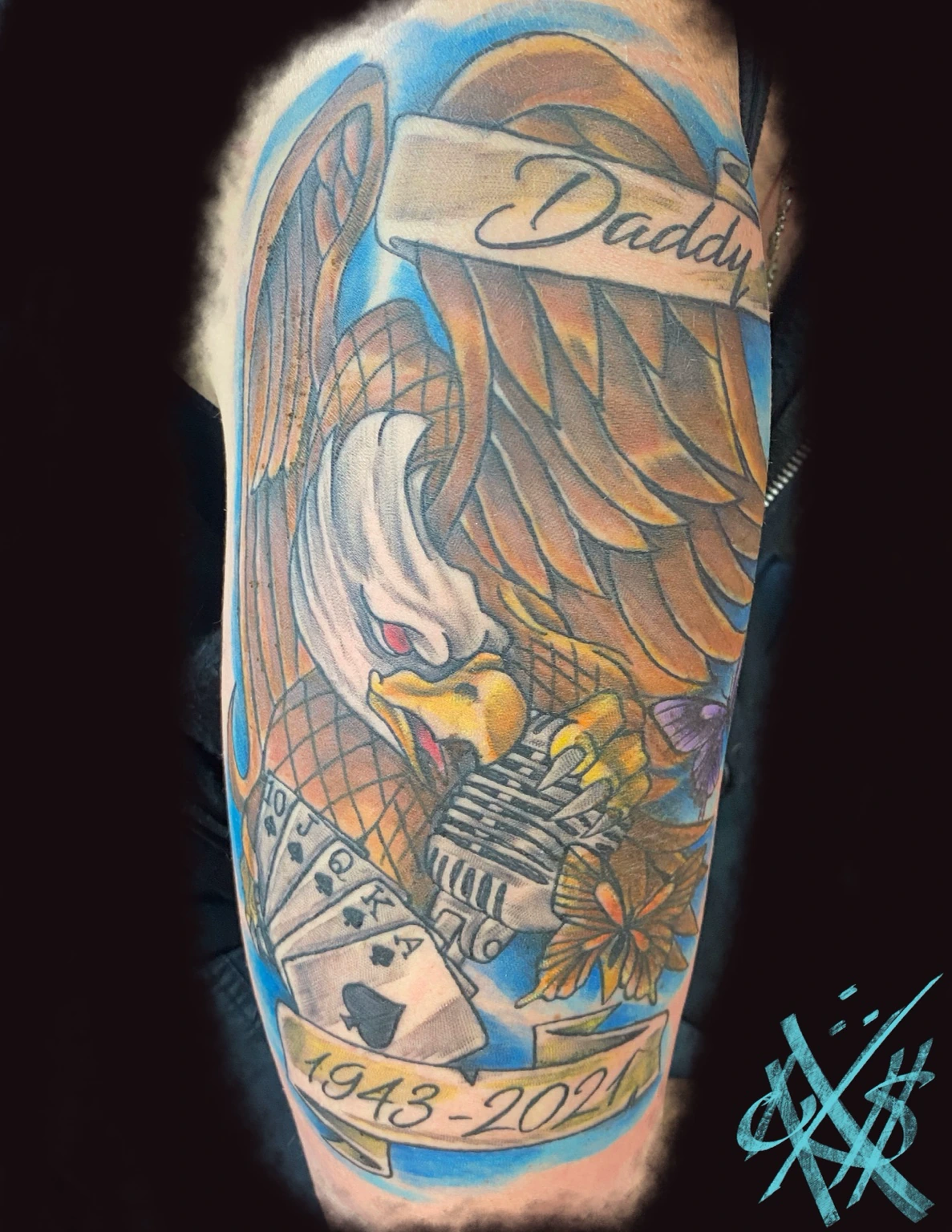
 Illustrative Illusions